
playuzu | The Exciting World of Tabletop Games
playuzu’s Explore the dynamic realm of tabletop games, from board and card games to RPGs and online communities like Playuzu, offering insights into their evolution, benefits, and educational potential.
The Exciting World of Tabletop Games
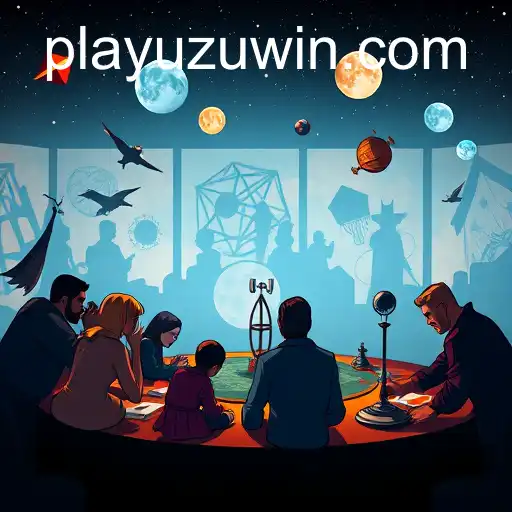
Tabletop games have been an enduring source of joy and camaraderie for countless people across different generations. These games encompass a variety of styles and genres, from strategic board games and immersive role-playing games to tactical war games and casual card games. They offer an escape from the digital world, inviting players to engage in face-to-face interactions and strategic thinking.
The Evolution of Tabletop Games
The origins of tabletop games can be traced back thousands of years to ancient civilizations. For example, the Royal Game of Ur from Mesopotamia, dating back to 2600 BCE, is one of the earliest known board games. Over the centuries, games have evolved significantly, reflecting cultural and societal changes.
In the mid-20th century, tabletop gaming experienced a renaissance, with games like Monopoly and Risk becoming household names. The 1970s saw the rise of role-playing games (RPGs) with the advent of Dungeons & Dragons, which introduced players to fantastical universes where imagination served as the primary tool. Today, tabletop games continue to innovate, integrating digital elements and exploring new themes, while remaining true to their roots in social interaction and strategy.
Playuzu and Online Tabletop Communities
In recent years, the internet has played an instrumental role in connecting tabletop enthusiasts around the globe. Platforms like Playuzu bring together diverse gaming communities to share knowledge, discover new games, and engage in virtual tabletop sessions. In these online spaces, players can find rules, tips, and guidance to enhance their gaming experiences.
Playuzu serves as a central hub for players looking to explore new tabletop games or revisit old favorites. By providing a platform for interaction, Playuzu and similar sites break down geographical barriers, allowing players to partake in games they might not have access to locally. The collaborative environment fosters a sense of community, with players often forming lasting friendships. These platforms also support budding game developers by offering a space to showcase their creations to a receptive audience.
Popular Tabletop Game Categories
Tabletop games can be categorized into numerous genres, each appealing to different tastes and preferences. Here are some of the most popular categories:
Board Games
Board games have a long-standing tradition, ranging from abstract strategy games like Chess and Go to complex, narrative-driven games like Gloomhaven and Twilight Imperium. These games often require critical thinking, strategic planning, and teamwork.
Card Games
Card games are versatile and can range from simple, luck-based games to ones demanding deep strategy. Classics like Poker and Bridge have been favorites for generations, while modern card games like Magic: The Gathering have sparked dedicated followings.
Role-Playing Games (RPGs)
Role-playing games immerse players in rich storytelling experiences. Guided by a game master, players assume the roles of characters within a fictional universe. These games are praised for their ability to promote creativity and collaboration. Dungeons & Dragons remains the most iconic RPG, inspiring countless others such as Pathfinder and Call of Cthulhu.
Miniature War Games
These games involve battle simulations where players use miniatures to represent troops and vehicles. Games like Warhammer 40,000 and Flames of War require tactical acumen and often include elaborate scenery and detailed miniatures that players paint themselves.
Benefits of Tabletop Gaming
Tabletop gaming is more than just a form of entertainment; it offers numerous benefits for players of all ages. These games can enhance cognitive abilities, such as problem-solving and critical thinking, as players devise strategies and make decisions. They also foster social skills, with players learning to cooperate, negotiate, and communicate effectively.
Moreover, the tactile and face-to-face nature of tabletop games provides a refreshing break from screen-based activities. They encourage players to be present and engaged with those around them, helping to strengthen relationships. For families, tabletop games are an excellent way to bond and create lasting memories.
Tabletop Games and Education
The educational potential of tabletop games is vast, with many educators integrating them into their curriculums. Games can be used to teach a variety of subjects, from mathematics and history to social studies and language arts. They provide a hands-on, engaging way to explore complex topics, making learning more interactive and enjoyable for students.
For example, games like Ticket to Ride can teach geography and planning skills, while historical games like Memoir '44 offer insights into World War II. Role-playing games support the development of storytelling and language skills, as players create narratives and dialogue for their characters.
The Future of Tabletop Gaming
As technology continues to advance, tabletop games are evolving in intriguing ways. The integration of augmented reality and companion apps offers new dimensions of gameplay, while the rise of crowdfunding platforms has made it easier for independent creators to bring their games to market. Despite these technological advancements, the core essence of tabletop gaming—social interaction and strategic thinking—remains unchanged.
With platforms like Playuzu helping to expand access and foster communities, the future of tabletop games looks bright. While the industry may embrace new innovations, the joy of gathering around a table with friends and family remains central to the experience. Whether you're a seasoned gamer or new to the hobby, tabletop games offer endless possibilities for fun, learning, and connection.
